

How to Get Your Security Deposit Back in California
Moving out of a Redding rental? Your security deposit is the largest sum tied up in the move — often a full month’s rent. California law is firmly on the tenant’s side, and the last two years’ changes (AB 12 and AB 2801) made it harder than ever for a landlord to keep your money without proof. This guide explains how to get your security deposit back in California: what your landlord can deduct, what must reach you within 21 days, and the move-out clean that prevents the most common deduction.
General information, not legal advice — for a large dispute, talk to a tenant adviser or attorney.
How to Get Your Security Deposit Back in California: The 60-Second Version
Three rules do most of the work. Your deposit is capped at one month’s rent (AB 12, since July 1, 2024). Within 21 calendar days of moving out, your landlord must return it or send an itemized statement for every deduction. And under AB 2801, deductions must be backed by photographs and paperwork. What you control — the condition you leave the place in — decides whether the most common deduction gets claimed at all.
How Much of Your Deposit Can Your Landlord Keep?
Under AB 12, in effect since July 1, 2024, a California landlord cannot demand a deposit over one month’s rent, plus first month’s rent. The only exception is small landlords — a natural person, or an LLC of natural persons, owning no more than two rental properties with four units between them — who may collect up to two months. A lease can never call a deposit “nonrefundable”, and if your landlord collected more than the cap, raise it in writing before you move out.
What Your Landlord Can — and Can’t — Deduct
Your deposit may only be used for four things: unpaid rent; cleaning to return the unit to move-in cleanliness; repairing damage beyond normal wear and tear caused by you or your guests; and restoring personal property or fixtures the lease required you to return. That is the whole list. Normal wear and tear is never deductible — faded paint, light floor scuffs, and carpet worn flat where people walk are the landlord’s cost of doing business. Pre-existing damage is not chargeable either, and every claim is limited to a reasonable amount to restore the unit to move-in condition.
AB 2801: The Photo Rules That Changed Everything in 2025
AB 2801 added mandatory photographs. Since April 1, 2025, a landlord deducting for repairs or cleaning must photograph the unit after you return possession but before any work starts, and again after the work is done. For tenancies that began on or after July 1, 2025, the landlord must also photograph the unit immediately before or at the start of the tenancy. The photos, plus a written explanation of the cost, must arrive with the itemized statement — by mail, email, flash drive, or online link. A deduction with no photos behind it is harder to defend.
The same law tightened cleaning charges. Under Civil Code §1950.5(e)(2)(C), a landlord cannot require you to pay for professional carpet cleaning, or any other professional cleaning, unless reasonably necessary to return the unit to move-in condition, excluding ordinary wear and tear. A lease clause demanding it regardless does not override that. (We do not offer carpet cleaning — this is law information only.)
Take your own timestamped photos too — at move-in and after your final clean. Our move-in cleaning checklist for Redding homes shows how to build that record.
The 21-Day Clock: What Must Arrive and When
Within 21 calendar days after you vacate — calendar days, not business days — your landlord must send an itemized statement showing the basis and amount of every deduction, plus the rest of your deposit. When cleaning and repair deductions together exceed $125, the statement must include copies of the bills, invoices, or receipts, plus the photographs. If work cannot finish within 21 days, the landlord may deduct a good-faith estimate, but must send the real receipts within 14 days of completion. If your landlord skips the paperwork, request it within 14 days of receiving the statement — they must provide it within 14 days. A landlord who fails in bad faith to provide the statement at all loses the right to claim any of the deposit. Give your forwarding address in writing on moving day — without one, your landlord may mail everything to the unit you left.
Use Your Pre-Move-Out Inspection
Your landlord must notify you in writing that you can request an initial inspection in the last two weeks of the tenancy, with at least 48 hours’ notice. They walk through with you and hand you an itemized list of proposed deductions. You then have until the end of the tenancy to fix what is on it — every item fixed is a deduction that never happens. And if the inspection takes place and your belongings did not hide anything, the landlord generally cannot later deduct for items not on that list. Request it in writing, attend it, and keep a copy of the list.
The Move-Out Clean That Protects Your Deposit
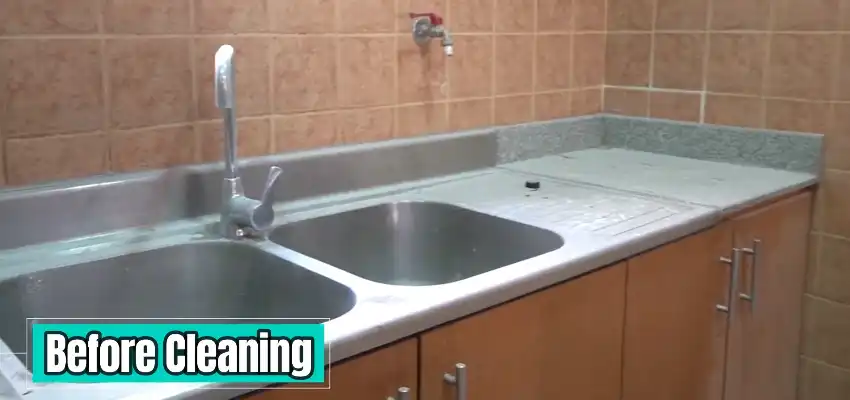
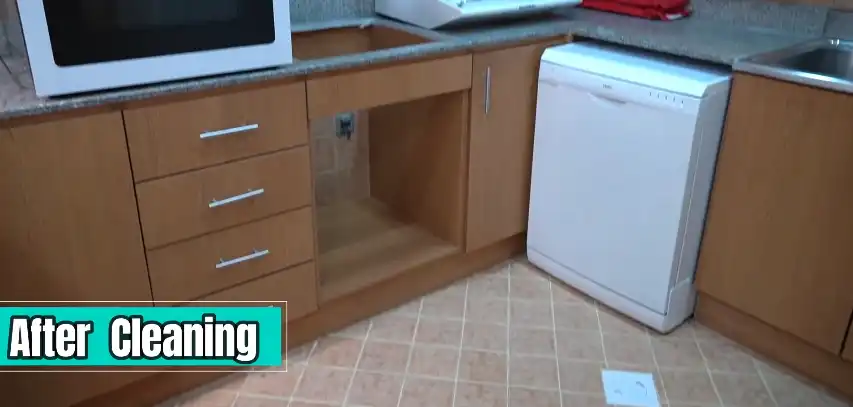
Cleaning deductions are the most common deposit fight, and they cluster in the same places: the oven and the drawer beneath it, inside the fridge, grout and shower corners, baseboards, window tracks, and — in Redding — red dirt in floors and grout. Cover those hotspots and you take away your landlord’s easiest deduction.
DIY is possible, but a full move-out clean of a 3 bed, 2 bath home is a full day’s work. Our move-out cleaning in Redding runs $300–$450 for a typical 3 bed, 2 bath home — see the breakdown on our house cleaning prices page. For room-by-room detail, our move-out cleaning checklist for Redding renters walks through every room. If the unit needs more — heavy grease, long-neglected grout — a deep clean is the stronger option. Book for the day after you move out, photograph every room when it is done, and call (530) 201-4234.
What to Do If Your Landlord Keeps Too Much
If the statement’s deductions look wrong — wear and tear charged as damage, cleaning with no photos, a carpet charge with no justification — send a written demand letter. Cite Civil Code §1950.5, list each disputed deduction and why, attach your move-in and move-out photos, and set a 14-day deadline. Keep a copy and send it in a way you can prove.
If the landlord will not budge, the law has teeth. A landlord who retains a deposit in bad faith can be liable for statutory damages of up to twice the amount of the security, in addition to actual damages, under §1950.5(m) — and the landlord carries the burden of proving the deductions were reasonable. Deposit claims can go to small claims court: individuals can claim up to $12,500 on form SC-100. A well-documented demand letter usually settles it first.
Redding Renter Notes
The state rules apply the same way in Shasta County — Authority Property Management’s tenant FAQ confirms the 21-day return and pre-move-out walkthroughs schedulable two or more weeks ahead, and small claims cases are filed locally. Redding’s red dirt and summer dust wear floors and window tracks faster than an out-of-area landlord might expect — photograph them at move-in so normal local soiling is not charged back as damage. Moving into your next place? Our move-in cleaning checklist for Redding homes covers the clean and the photo record for your next deposit.
Conclusion
Getting your deposit back comes down to four habits: know the cap, use the inspection, leave the unit clean, photograph everything. To hand the cleaning to a local team, call (530) 201-4234 to book a move-out clean. More pricing and deposit questions are answered on our cleaning FAQ page.
Frequently Asked Questions: How to Get Your Security Deposit Back in California
How long does a landlord have to return a deposit in California?
21 calendar days after you vacate. Within that time your landlord must return the deposit or send an itemized statement explaining every deduction, plus the remaining balance. If cleaning and repair deductions total more than $125, receipts and photographs must come with the statement.
Can my landlord charge me for carpet cleaning?
Only if it is reasonably necessary to return the unit to its move-in condition, excluding ordinary wear and tear. Under Civil Code §1950.5(e)(2)(C), a landlord cannot require you to pay for professional carpet cleaning as a blanket move-out charge. Note: Cleaning Services Redding does not offer carpet cleaning, so book that separately if you ever need it.
What if my tenancy started before July 1, 2025?
The move-in photo rule only applies to tenancies that began on or after July 1, 2025, so your landlord was not required to photograph the unit at your move-in. The move-out photo rules (since April 1, 2025), the 21-day clock, and the one-month cap still apply to you — and your own move-out photos matter even more.
What if I never got move-in photos?
Take your own timestamped photos at move-in and keep them. If your tenancy began on or after July 1, 2025, your landlord was required to take move-in photos — ask for copies in writing. Your own photos, plus the pre-move-out inspection list, are your best evidence of the unit’s condition either way.
Can my landlord deduct for normal wear and tear?
No. California law is explicit: ordinary wear and tear — faded paint, minor scuffs, carpet flattened by foot traffic — can never be deducted from your deposit, and your landlord cannot charge you for damage that was already there when you moved in.
How much does a move-out clean cost in Redding?
Our move-out cleaning runs $300–$450 for a typical 3 bed, 2 bath home. The short answer to how to get your security deposit back in California is that a professional move-out clean usually costs far less than the deductions it prevents — and you get dated photos of a finished, deposit-ready home. Call (530) 201-4234 for a flat quote.